The Quiet Valleys of the Southern Alps: A Study in Slowness
•Words by Editorial Staff•8 min read
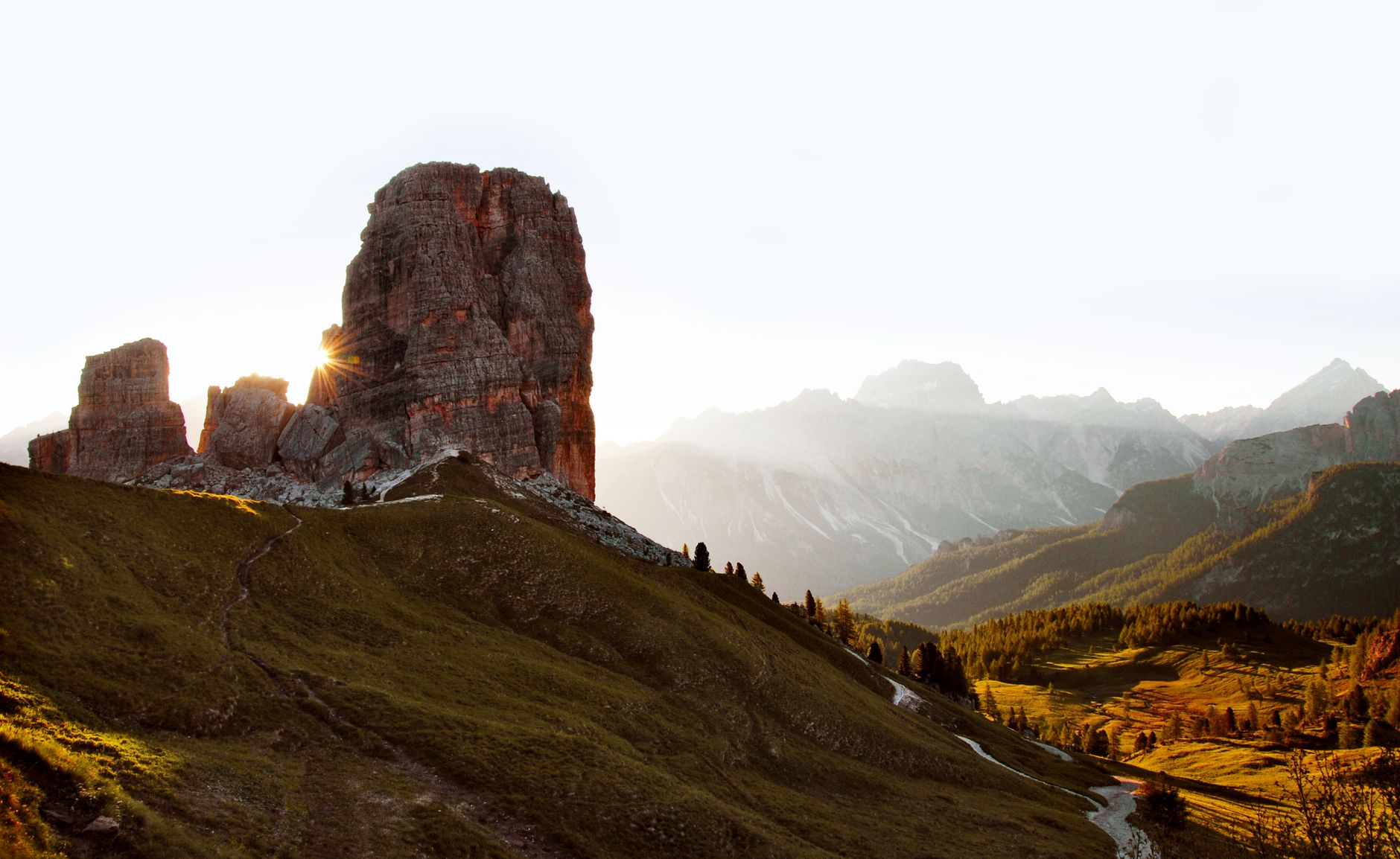
Late autumn light descending over the upper Val di Fassa before the first frost.
When the summer gondolas cease their mechanized humming at the close of September, a profound transformation overtakes the Southern Alps. The steep limestone crags, which during July reflect the clamor of tour buses, reclaim their ancient dignity. In these valleys, silence is not merely the absence of noise; it is a physical presence.
1. The Autumn Ascent
Walking upward through larch forests that have turned from pale emerald to deep amber, the air smells of crushed pine needles, damp granite, and incoming snow. Unlike high-speed trekking routes that aim for peak conquest, this journey was conceived as a seven-day study in deliberate ambulation—covering no more than twelve kilometers per day.
“To walk slowly in high altitude is to realize that the mountain has nothing to prove to us; it is we who must quiet our pace to witness its geological patience.”
2. Living Stone Refuges
At an elevation of 2,100 meters, we stayed at a stone refuge whose foundation dates back to 1892. In place of contemporary resort luxuries, one finds thick wool blankets, polenta stirred over larch fires, and water piped directly from glacial streams.
The caretakers—now in their second generation on the pass—prepare sourdough loaves fermented with wild yeasts collected from alpine elderberries. Sitting at communal benches with maps spread out under gas lamps, travelers speak in hushed tones, conscious of the immense dark peaks outside the wooden shutters.
3. Field Log & Timing
- Ideal Window: September 20 through October 15, when alpine passes remain free of heavy snow but summer crowds have departed.
- Footwear: Waterproof stiff-soled leather boots; scree slopes become slick with early morning hoarfrost.
- Navigation: Always carry topo scale 1:25,000 maps; autumn fog can roll over mountain saddles within fifteen minutes.
4. The Returning Silence
Descending toward the lower meadow pastures on our final morning, the ringing of brass cowbells signaled the end of the seasonal transhumance. The mountain had receded back into its winter vigil, leaving us with a renewed sense of spatial proportion.
Plan Your Slow Alpine Expedition
Our editors can compile a detailed bespoke route dossier tailored to your walking experience and preferred alpine huts.
Consult With Our Editors